Lucky Wheel Concepts That Combine Familiarity With Innovation
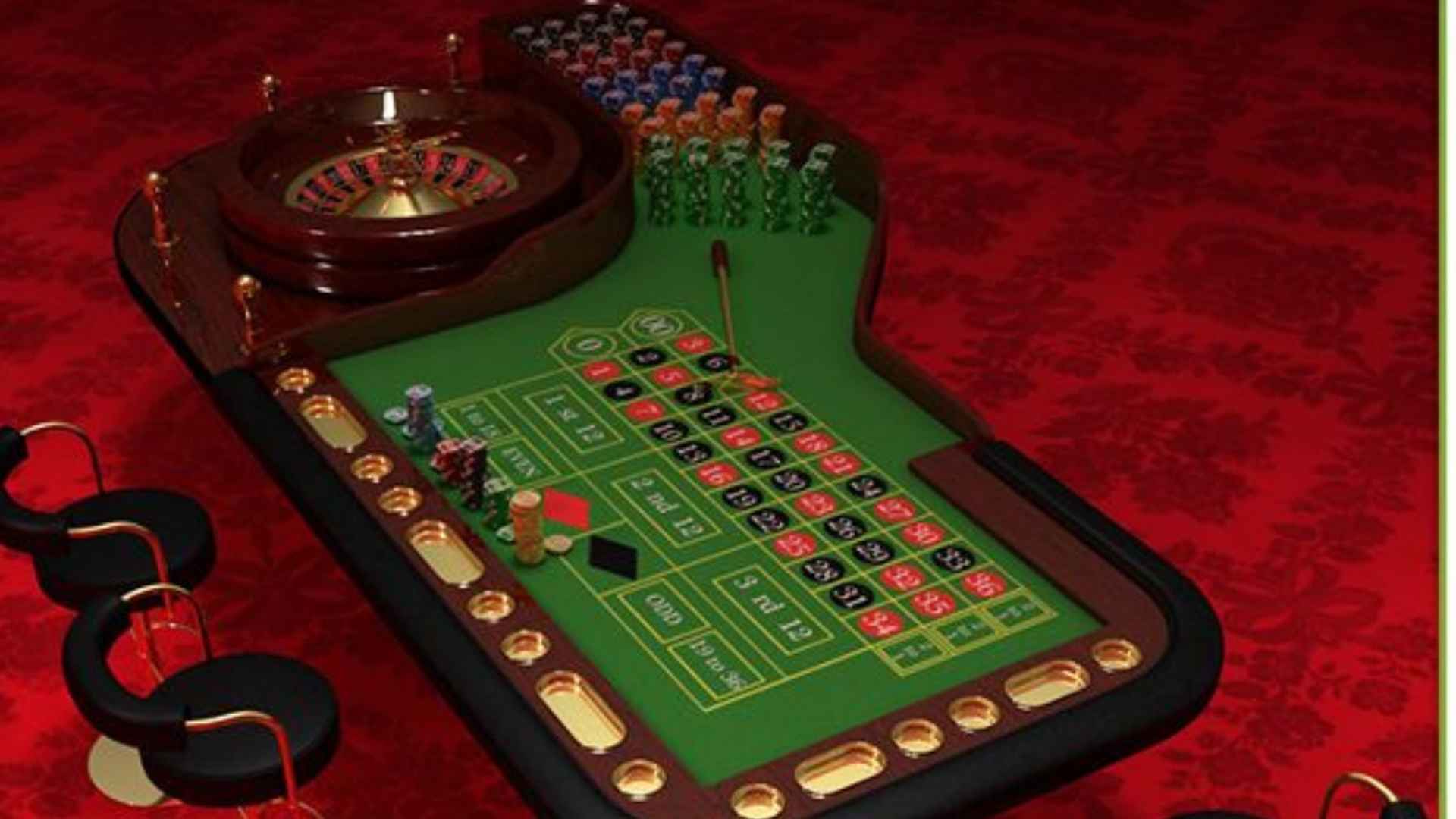
The concept of the spinning wheel is one of the most enduring templates in the history of recreational gaming. From ancient fairs to early television broadcasts, the simple act of watching a pointer land on a random segment has consistently captivated human curiosity. However, modern interactive platforms are finding that preserving this nostalgic charm requires a deliberate integration of fresh, tech-driven design features.
The Core Balance Between Safety and Surprise
Players are naturally drawn to systems where they already understand the fundamental rules of engagement. When a digital layout mirrors a physical carnival wheel, it instantly removes the learning curve for new participants. This immediate accessibility creates a secure environment where users feel comfortable testing their luck without confusion.
To prevent this familiarity from turning into predictable repetition, developers introducing multi-layered reward systems. Instead of simple static point values, segments now unlock dynamic micro-games or mystery multipliers that adapt based on player behavior. This structural change shifts the experience from a passive click into an active journey filled with unexpected turns.
Technological Frameworks Enhancing Visual Feedback
The transition from mechanical parts to high-definition software has completely transformed how suspense is built on a screen. Advanced physics engines ensure that the slowing momentum of each turn looks incredibly lifelike and dramatic. Combined with responsive audio cues, these subtle changes in speed generate deep psychological anticipation before the final outcome reveals itself.
Many modern promotional platforms utilize these advanced visual setups to offer customized rewards to their target demographics. For example, individuals looking for enhanced value can discover structured incentives through a specialized m88 促销代码 integrated directly into interactive event wheels. This seamless presentation blends promotional utility with genuine visual entertainment, ensuring that the user interaction feels organic rather than intrusive.
Introducing Strategic Choices into Random Mechanics
One of the most significant modern shifts involves giving players a sense of agency over an inherently random mechanic. Some updated configurations allow users to choose the volatility level of their spin before initiating the round. This means a participant can decide whether they want a wheel with frequent small payouts or one with rare but substantial rewards.
Other designs allow players to accumulate smaller tokens over time to permanently upgrade specific slices of the layout. By giving players a personal stake in customizing the interface, creators successfully transform a temporary novelty into a long-term progression system. This subtle inclusion of player strategy keeps casual audiences engaged far longer than standard mechanical variants ever could.
The Next Phase of Immersive Interactive Formats
As virtual reality headsets and mixed-reality applications become more commercially viable, the classic prize wheel is poised for another evolutionary leap. Future variations will likely allow audiences to physically pull virtual levers or spin full-scale digital installations within their actual living spaces. These tactile environments will bridge the gap between digital convenience and physical presence in unprecedented ways.
Ultimately, the continuous survival of this gaming format depends entirely on its capacity to respect its historical roots while adopting modern design philosophies. By focusing on clean interfaces, balanced reward variations, and reliable platform execution, software engineers ensure that the basic joy of the spin remains highly relevant. As technology marches forward, the perfect harmony of nostalgia and innovation will keep casual audiences returning for generations to come.